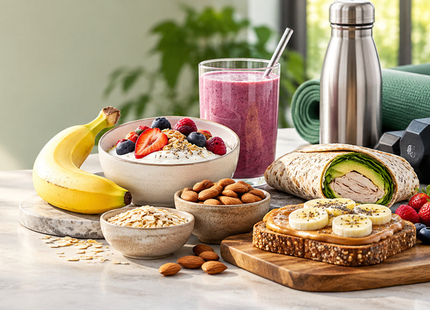

Healthy gym snacks should match the job you need them to do. Before training, that means useful energy without digestive heaviness. After training, protein and carbohydrate can support repair and restore fuel. Between workouts, a snack can manage hunger and contribute to nutrition.
No single option suits every session. Your last meal, workout intensity, duration, goals, and stomach comfort all matter. Packaged snacks are convenient, but the serving size and full nutrition label determine how well they fit.
What Makes a Good Gym Snack?
A gym snack should be portable, appropriately portioned, and selected for its timing. Carbohydrate is fuel for moderate-to-high-intensity exercise, while protein provides amino acids used in muscle repair. Fat and fiber support fullness, but large amounts close to training may feel heavy.
What to Eat Before a Workout
If your last meal was hours ago, a pre-workout snack may help you begin with available energy. One to three hours before training, choose carbohydrate with a modest amount of protein. As the session gets closer, smaller, lower-fat, and lower-fiber choices are often easier to tolerate.
- Two to three hours before: Choose a more substantial snack with carbohydrate and protein.
- Thirty to sixty minutes before: Favor a small, easily digested carbohydrate source.
- Before intense training: Avoid testing a new high-fiber, high-fat, or sugar-alcohol-rich snack.
Low-carbohydrate snacks are not automatically ideal fuel for demanding training. Check total carbohydrate and add a familiar carbohydrate food if necessary. The ISSN position stand on nutrient timing explains that needs rise with training volume and intensity.
What to Eat After a Workout
After exercise, the priorities are rehydrating, replacing fuel, and providing protein. A snack is most useful when your next meal is not coming soon. Protein supports muscle protein synthesis, while carbohydrate helps restore glycogen, particularly after long, hard, or repeated sessions.
You do not need to eat the moment the final set ends. Total daily protein and energy remain important, and your pre-workout meal affects what you need afterward. If a packaged snack alone is not enough, pair it with fruit, milk, yogurt, or another suitable food. Replace additional fluid and sodium after long, very sweaty, or hot-weather sessions.
What to Eat Between Workouts
A between-workout snack should bridge meals without replacing a varied diet. Protein, fiber, or unsaturated fat can improve satisfaction, while carbohydrate helps prepare for another session later.
Use the time before your next workout as a guide. Nuts and higher-fiber snacks may work when several hours remain. A lighter wafer or carbohydrate-rich choice may feel better when training is closer. Explore Laperva’s healthy foods and snacks range by comparing labels rather than names alone.
How to Compare Packaged Gym Snacks
Start with serving size and servings per pack. The FDA guide to the Nutrition Facts label explains that every calorie and nutrient amount relates to the stated serving.
- Compare grams of protein and carbohydrate, not only percentage claims.
- Check fat and fiber when eating close to exercise.
- Review added sugars, sodium, sweeteners, and sugar alcohols.
- Read allergen statements and dietary suitability.
- Decide whether the snack complements your next meal.
Choosing Laperva Snacks Around Training
Laperva Keto Cake is a cookies-and-cream bar described as keto-friendly, rich in fiber, and containing 28% protein. Its label presents it for pre-workout, post-workout, or snack time.
Laperva Protein Wafer provides 113 calories and 15% protein in a milk-chocolate wafer. Its directions position it as a snack between meals. It can be a lighter gym-bag choice; after demanding training, another carbohydrate or protein food may be useful depending on your wider diet.
For a savory alternative, Laperva Bread Bites are baked rather than fried, contain 10% protein, have no added sugar, and are suitable for vegetarians. They may fit between meals or before training when digestion time is available.
These are convenient snacks, not complete workout nutrition plans. Check the label, portion, allergens, and sweeteners. You can also compare the laperva sports nutrition range and use the protein calculator as a general planning tool.
Common Gym-Snack Mistakes
- Choosing by marketing claims without checking the serving.
- Eating a large high-fat or high-fiber snack immediately before intense exercise.
- Assuming “high protein” also means enough carbohydrate for training.
- Using snack bars to replace most balanced meals.
- Ignoring hydration, allergens, or digestive tolerance.
Frequently Asked Questions
Do I Need a Snack Before Every Workout?
Yes. As part of this diet plan, having a small pre-workout snack before each workout can help provide energy and support your training. Choose a light, easily digestible option, especially if your workout is longer or more intense.
Is a Protein Bar Better Before or After Training?
It depends on the full nutrition profile. Before exercise, digestion and carbohydrate availability matter. After exercise, assess its protein and carbohydrate alongside your next meal.
Are Keto Snacks Good Before the Gym?
They may suit a planned ketogenic diet or low carbs diet, but low-carbohydrate products can provide less rapid fuel for intense activity. Match the choice to your diet and session.
Practical Takeaway
The best healthy gym snack matches your timing, training, total diet, and digestion. Favor accessible carbohydrate before demanding exercise, combine protein and carbohydrate after training when a meal is delayed, and choose satisfying portions between sessions. Compare Laperva labels and use each snack as one part of a balanced plan.