
For most people, a healthy foundation starts with regular meals, enough fiber, fluids, movement and a varied diet. Supplements can also play an important role in supporting digestive health, especially when dietary intake may not provide enough of certain nutrients or when targeted support is needed. Understanding probiotics, prebiotic fiber and digestive enzymes can help you make more informed choices about which supplements may fit into your routine.
1. Start With the Everyday Habits Your Gut Uses Most
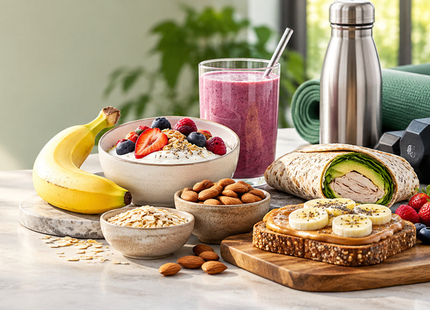
Your digestive system responds to consistent habits. Vegetables, fruit, whole grains, beans, lentils, nuts and seeds provide fiber and useful nutrients.
Fiber supports bowel regularity and provides material that gut microbes can use. Hydration helps fiber do its job, while regular activity can also support normal bowel habits.
2. Probiotics Are Live Microorganisms
Probiotics are live microorganisms intended to provide a health benefit when consumed in adequate amounts. They can be found in certain foods as well as dietary supplements.
But "probiotic" is a broad term. Different strains may have different effects, and evidence for one strain cannot automatically be applied to every probiotic. A bigger bacteria count on a label is therefore not automatically better for every person or purpose.
For someone considering a supplement, Laperva 30-Billion Probiotic or Laperva Organic Probiotic can be additions to an existing diet rather than replacements for fiber-rich foods, fermented foods or healthy routines.
3. Prebiotics Feed Certain Gut Microbes
Prebiotics are not bacteria. They are food components, often particular types of fiber or carbohydrates, that certain beneficial microorganisms in the digestive tract can use.
Common food sources include onions, garlic, leeks, asparagus, oats, bananas, beans, lentils and whole grains. Eating a varied selection of plant foods is one of the simplest ways to include more prebiotic material in your diet.
Prebiotic fiber can also be included in foods and supplements. Laperva Multi Vita Fruit is one Laperva option that includes prebiotic fiber alongside its fruit-based formulation.
4. Digestive Enzymes Help Break Down Food
Digestive enzymes have a different job from probiotics and prebiotics. Your body naturally produces enzymes that help break carbohydrates, proteins and fats into smaller components that can be absorbed.
Some enzymes have specific roles. Lactase, for example, helps break down lactose, the natural sugar found in dairy foods.
Enzyme supplements are therefore more directly connected with digesting a meal than with adding or feeding gut bacteria. Laperva Digest Care 18 Plant Based Enzymes combines multiple digestive enzymes and is intended for use around meals.
Keep Gut Health Simple
Probiotics, prebiotics and digestive enzymes can all have a place in digestive wellness, but they are not interchangeable.
Probiotics provide live microorganisms. Prebiotics provide fuel for certain gut microbes. Digestive enzymes help break down components of food.
Frequently Asked Questions
What is the main difference between probiotics and prebiotics?
Probiotics are live microorganisms, while prebiotics are food components that certain beneficial gut microbes can use.
Can I get probiotics naturally from food?
Yes. Foods such as yogurt and kefir with live cultures and some fermented foods can provide live microorganisms.
What foods are naturally high in prebiotics?
Onions, garlic, leeks, asparagus, oats, bananas, beans, lentils and many whole grains contain fibers or carbohydrates that can act as prebiotics.
Can increasing fiber cause bloating?
Yes. Increasing fiber suddenly can cause gas, fullness or bloating in some people. Increase it gradually and maintain adequate fluid intake.